.png)
"The animals have become people, and the people have become animals": A 20-year reflection on equity and justice in conservation
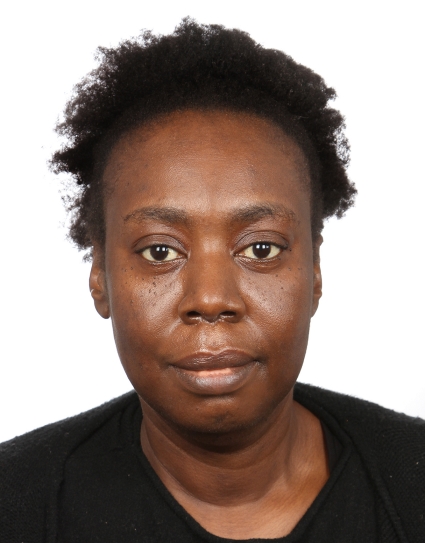
A blog entry by Rhoda Kachali
My PhD journey began long before I ever made a formal application to Leuphana University. It is a conversation I have been having with friends and colleagues involved in conservation for the last 20 years. My PhD was merely an extension of conversations we had been having for over two decades. I had talked so often with a friend of mine at the University of Zambia that the day she saw the PhD advertised, she immediately shared it with me with a comment: "This is perfect for you!"

We were always discussing why community-based conservation did not work the way it should, despite the fact that communities around protected areas had been targets of CBNRM programs for at least 50 years. It appeared that participation and benefit-sharing had not brought about a sense of ownership for the wildlife or cooperation with wildlife authorities, despite decades of practice. There appeared to be a gap between the "success stories" told by conservation practitioners and the lived realities in the Game Management Areas. There was a sense of dissatisfaction among local people, despite apparent monetary returns from tourism and a multitude of interventions by various government and non-government actors.
Although I had been discussing the successes and failures of benefit-sharing and participation in CBNRM, the focus on equity and justice was particularly new to me. However, the more I explored local communities' perceptions, the more I felt these were the right questions to ask. Talking to local community members and allowing them to tell their own stories was key. It was during these discussions that statements communicating a profound sense of disrespect were uttered. One I will never forget was: "Here, the animals have become people, and the people have become animals." It showed that equity and justice were about more than just getting benefits and participating in meetings. Local people felt that these activities benefited project proponents more than it did them, and they explicitly said so.
For local people, recognition and respect for their roles and identities were just as important to local people as the schools and clinics that had been built as a result of conservation interventions. Interviewing friends and colleagues I worked with also allowed me to reflect on my own attitudes toward local people. When one key respondent continually referred to local people as “our children,” I asked myself if I had infantilized community members in the same way. In Zambian culture, children are often “seen and not heard.” If communities were "our children," then they were being denied the respect that adults deserve.
As I collected and analysed my data, a clear picture emerged. My PhD has taught me that we cannot simply create committees and "share benefits" our way into fairness. Equity and justice are not a static output of a well-written law; they are a living, breathing process of recognition which must be consciously pursued. I saw that when we ignore people's lived experiences and reduce them to just "participants" and "beneficiaries," we are eroding the social fabric that makes conservation possible.


Comments